The AES pumps (and others pumps too) get a three-year extension from the State Waterboard.

The AES pumps (and others pumps too) get a three-year extension from the State Waterboard.

The operating life of the environmentally damaging AES pumps has been extended for a few more years. Let’s hope it’s the last time!
I am sad to report to you that the environmentally damaging AES cooling water pumps recently got a three-year extension from the State Water Resources Control Board to keep operating. AES’s pumps kill a lot of marine life because they suck in huge amounts of water from Alamitos Bay to cool their generators. Those pumps (and others like them) were supposed to be phased out because of all the damage they cause to marine life. But the State of California is concerned about the reliability of the energy grid so they were granted an extension.


Sure, we get it, reliability is important, perhaps even more so these days, as the climate gets more extreme. But for the health of the planet, plants and animals, AND humans we have to transition (quickly) away from our reliance on carbon-producing energy sources. And for the health and restoration of the wetlands, the pumps must be permanently shut down.


The government has been “balancing” these extensions (since the pumps kill so much sea life) by funding marine protected areas off the coast of California. We love marine life and marine protected areas but our local power plant is an unusual case. AES Alamitos is a gas-powered energy plant that sits in wetlands and thus, is killing marine life specific to wetlands. We made the case to the Water Board that if they allow the local AES powerplant to continue to run, any required mitigation should go to improving the local Los Cerritos Wetlands marine ecosystem. We hope the decision makers will agree when they meet again to talk about how best to calculate the mitigation and how best to spend the mitigation fees. You can read further details here. We will update you as we learn more.
Assembly Bill 1633 is a grave threat to our environment and communities

Assembly Bill 1633 is a grave threat to our environment and communities

A.B. 1633 is a grave threat to our environment and communities and will give unchecked power to developers to unleash a flood of litigation against public agencies.

Why do we oppose AB 1633? This bill would unleash a flood of litigation against public agencies as it allows developers of qualifying housing projects to bring legal action against a public agency before the administrative record is complete and before the project is approved or denied. This totally upends the existing procedures for CEQA (California Environmental Quality Act (CEQA)


CEQA is the law that requires that state and local agencies disclose and evaluate the significant environmental impacts of proposed projects and adopt all feasible mitigation measures to reduce or eliminate those impacts.


Of particular concern to environmental justice organizations is the bill’s drastic limitations on the ability of petitioners to recover attorneys’ fees – which would severely limit meritorious lawsuits under CEQA to enforce environmental justice. 


Contact Governor Newsom to demand a VETO on AB 1633.


Or call him at 916-445-2841


For a great overview of the importance of CEQA, which AB 1633 would weaken, check out the video below. And then contact Governor Newsom and tell him to veto AB 1633 today!
Alamitos Bay Water Quality Meeting 6pm Weds Sept 13th

Alamitos Bay Water Quality Meeting 6pm Weds Sept 13th


Dear Friend of Los Cerritos Wetlands,


On September 13th at 6:00 PM, Councilmember Kristina Duggan, AES, and the City of Long Beach are hosting a meeting to discuss the City’s plan to keep water circulating in Alamitos Bay. Click here to RSVP. We appreciate the public outreach on this proposed project and hope you’ll join us there.


The City wants to address water pollution in Alamitos Bay by replacing massive cooling pumps at the AES power plant with “fish-friendly” pumps. The existing pumps are being shut down because the Clean Water Act requires it. Regulations passed in 2010 mandate phasing out “once-through cooling” statewide because these systems devastate the marine environment. Small plant and fish organisms, mostly eggs and larvae, are sucked into the pumps (entrainment) and killed by the pressure. Larger organisms, like fish and crabs, are killed on screens before entering the pumps (impingement).


Pollution in Alamitos Bay is an ongoing and significant problem that MUST be addressed. But it’s not the only problem. The entire Los Cerritos Channel watershed suffers from water pollution accumulating in Alamitos Bay. State and local governments are simultaneously planning an equally critical effort to restore Los Cerritos Wetlands to better ecosystem health. We support addressing all these goals with a coordinated and economical solution.


We hope the City will answer these questions at the meeting:


1) Water pollution in our Bay is primarily the result of contaminants like bacteria, nutrients, heavy metals, and trash running off our urban environment and ending up in the Bay or ocean. Will constructing and running new pumps solve that problem? Will the proposed pumps eliminate the pollutants or move the pollution problem into the San Gabriel River and, eventually, the ocean?


2) Can the City look at other less expensive and multi-benefit solutions to tackle water quality problems in Alamitos Bay? More modern solutions to water pollution include multi-benefit projects that clean up runoff near the source while creating more neighborhood “green space” and recharging groundwater. Examples are bio-swales in parks, parking lots, and streets (you can see one at work at the Colorado Lagoon) as well as other non-point source pollution collection solutions.


3) The proposed pumps project will cost a LOT of money, so let’s be sure the City has looked at all other solutions, which would cost much less before we go too far down this path. The proposed pumps would cost around $30-45 million to purchase and install and about $2 million annually to operate. We need to know how the City is planning to fund this project. And given that taxpayers already contribute to LA County’s “Safe Clean Water Program,” can that funding source be used to address water pollution? 


4) Last but certainly not least, it is good news that significant funding is on its way to help restore the highly degraded Los Cerritos Wetlands. With the vast majority of Southern California wetlands lost forever to development and infrastructure, we need those few wetlands that remain to be high-quality habitat that protect and sustain fish and other species. Despite the plan to use “fish-friendly pumps,” won’t the operation remove local fish and vegetation and deposit them in the San Gabriel River? If pumping becomes the solution to water quality problems in Alamitos Bay, will it interfere with wetlands restoration goals?


I get it. I really do. AES pumps have been circulating the water in Alamitos Bay for decades, and no one wants water quality to worsen. On the other hand, how about exploring alternative solutions – nature-based projects that eliminate pollution near its source? Solutions that clean water (or catch trash) before it lands in the Bay provide multiple community benefits and are worth discussing. 


Before we commit the City to spending millions of dollars – with no end in sight – let’s ensure all options have been explored.


I’ll be at the meeting to learn more and express my point of view and hope you will attend also. Details about the meeting, from Councilmember Kristina Duggan’s office, are below.


Sincerely,


Elizabeth Lambe
Executive Director
Los Cerritos Wetlands Land Trust


P.S. The cover article in our most recent newsletter outlines how the deadline for phasing out once-through cooling keeps extending despite all the harm to marine life. You can read it here..
Great News for the Restoration of Los Cerritos Wetlands

Great News for the Restoration of Los Cerritos Wetlands


I’ve got some excellent news to share with you!


After years and years of public meetings, review, and planning, the restoration of the Los Cerritos Wetlands’ southern acreage is set to receive significant funding. This multi-year restoration will restore a wide range of wetland types from subtidal wetlands to upland transition habitats. Its design will take into account historical ecology, natural ecosystem processes, tribal cultural resources, public access, resiliency to sea level rise, and current site biotic and abiotic conditions. This funding will enable this important restoration project to get started and it can’t come a moment too soon. Learn more and then do your part to help ensure this critical funding moves expeditiously so restoration can begin.


LEARN MORE
Attend our 7 PM, September 5th community briefing featuring special guest speaker Eric Zahn to learn further details and how you can help. Eric Zahn is the Principal Restoration Ecologist at Tidal Influence LLC and the Los Cerritos Wetlands Authority’s Southern Los Cerritos Wetlands Restoration Project manager. The meeting will be via Zoom so you can easily attend virtually and I hope you will.


Email me to RSVP and I will send you the Zoom link. In addition to being really informative, Eric Zahn is an engaging and interesting speaker and you won’t want to miss him. Don’t forget to RSVP now!


DO YOUR PART
Whether you attend the briefing or not please take a moment to send in a letter of support to the California Coastal Conservancy supporting this proposed funding.

Don’t forget to add your name & address at the end and include why Los Cerritos Wetlands is important to you!

Why we support the project:
• The restoration of the Los Cerritos Wetlands provides a tremendous opportunity to increase open space for the community and wildlife in a densely populated area. 
• The Los Cerritos Wetlands represent one of the few remaining opportunities to restore a significant area of coastal wetlands in the Los Angeles and Orange County region. 
• Funding for this project will facilitate the final design for the restoration of 100 acres of wildlife habitat and the creation of new public access trails and facilities. It will also support the implementation of over 50 acres of habitat restoration. 
• The project will result in important benefits for wildlife, coastal access, and improved resilience to climate change. 

To learn more about the process of restoring Los Cerritos Wetlands (and beyond), check out the Los Cerritos Wetlands Authority’s webpage on the Southern Los Cerritos Restoration Project.

Thank you for caring about Los Cerritos Wetlands and hope to see you at the community briefing on September 5th.


Elizabeth Lambe
Executive Director
Los Cerritos Wetlands Land Trust


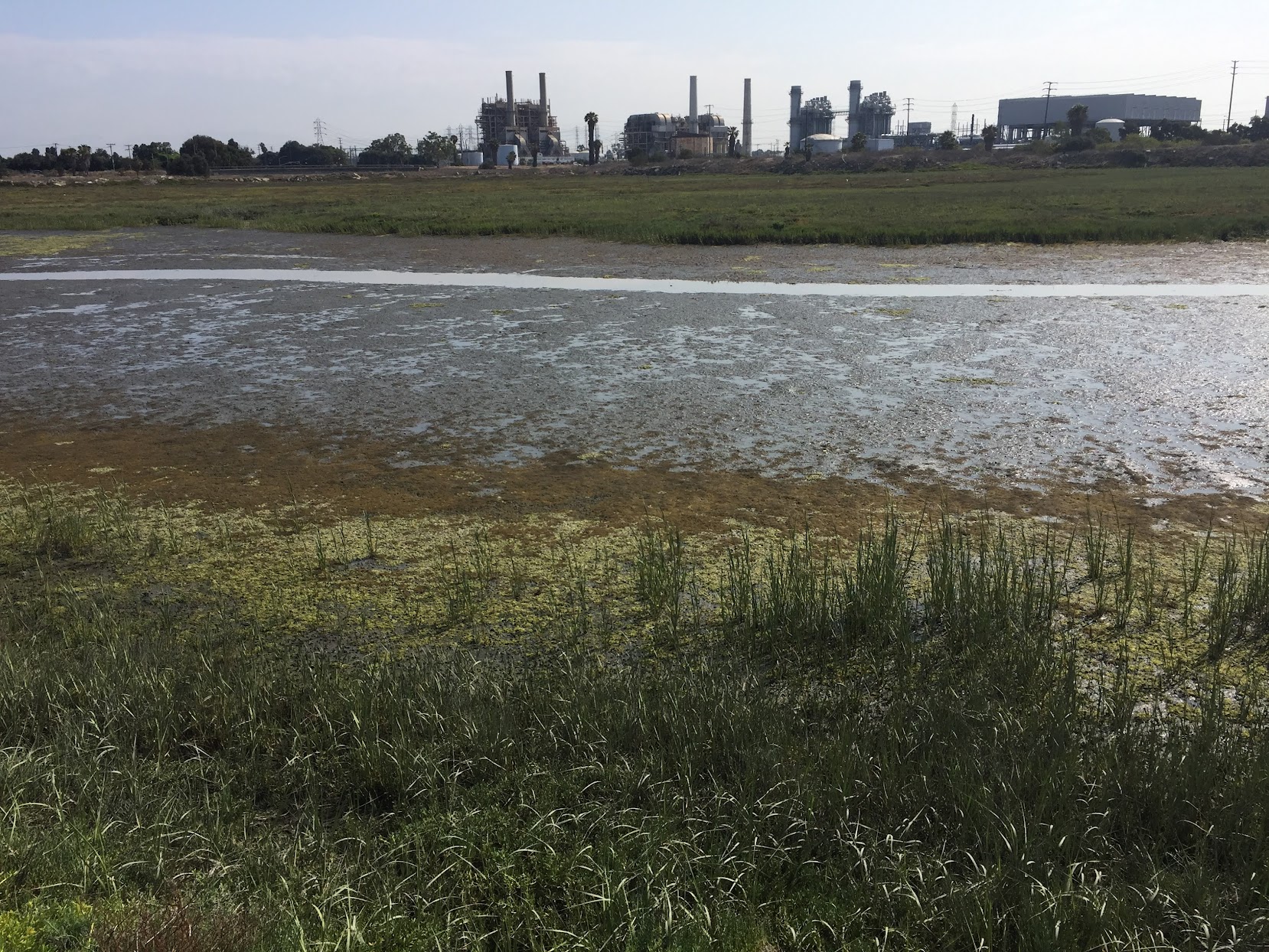
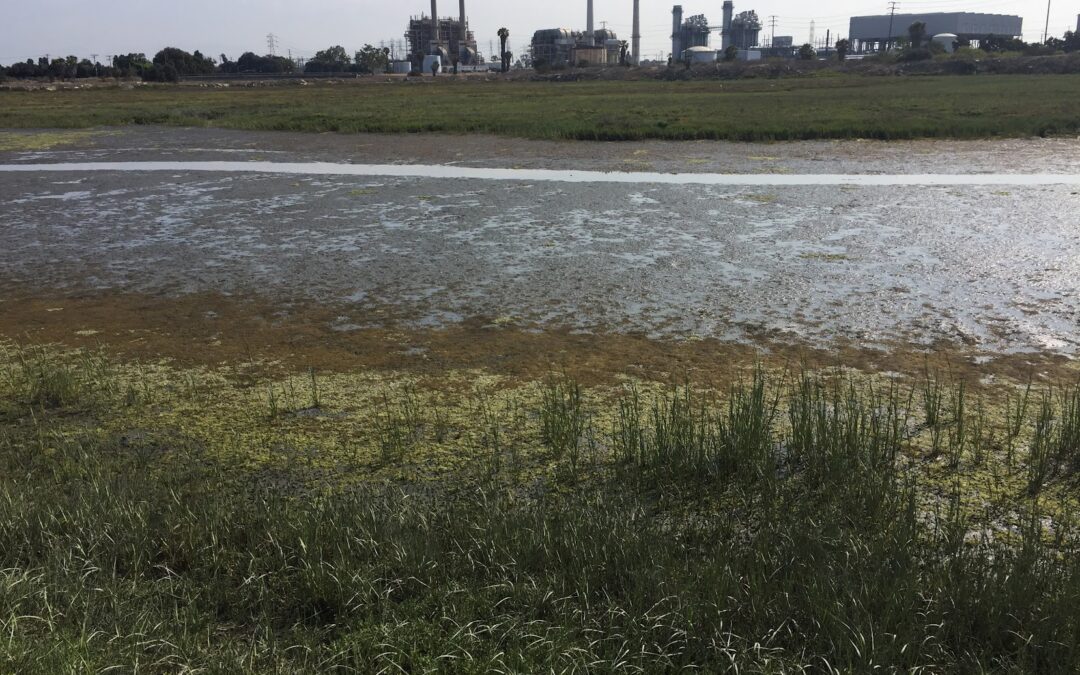
Below is the the Southern area of Los Cerritos Wetlands on a sunny day. The wetlands look good but they will look even better and provide better habitat once they are restored and invasive plants, like the yellow mustard weed in this photo, are removed. Did you know that invasive plants take over and crowd out native plants? We need native plants to provide food and shelter to coastal wetlands species. Photo: Jason Lustig
Action Alert: Support AB1322 the CA Ecosystems Protection Act

Action Alert: Support AB1322 the CA Ecosystems Protection Act


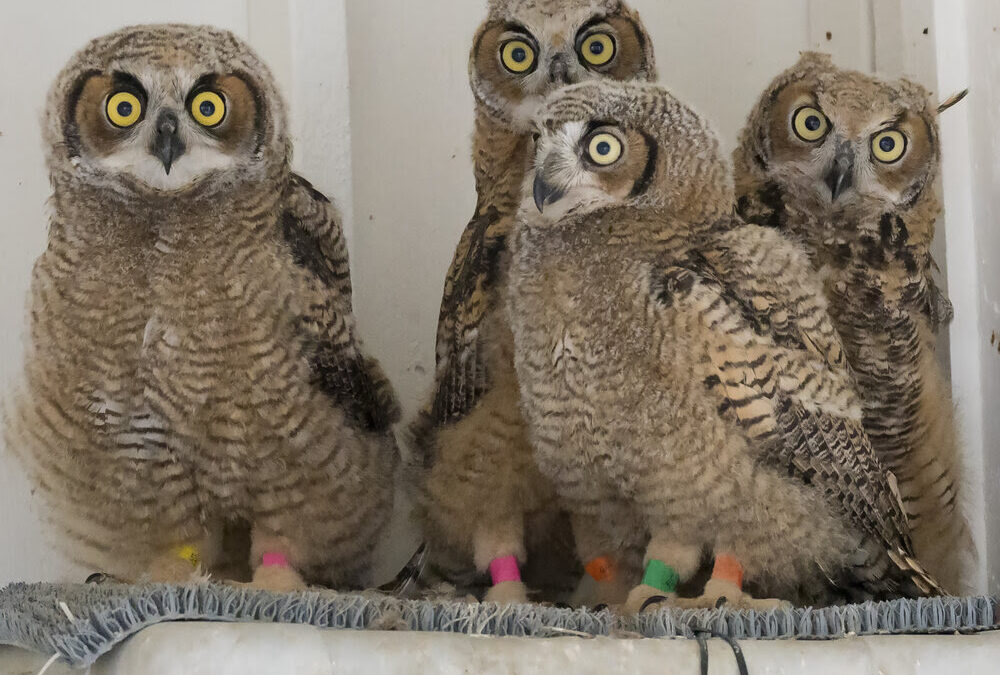
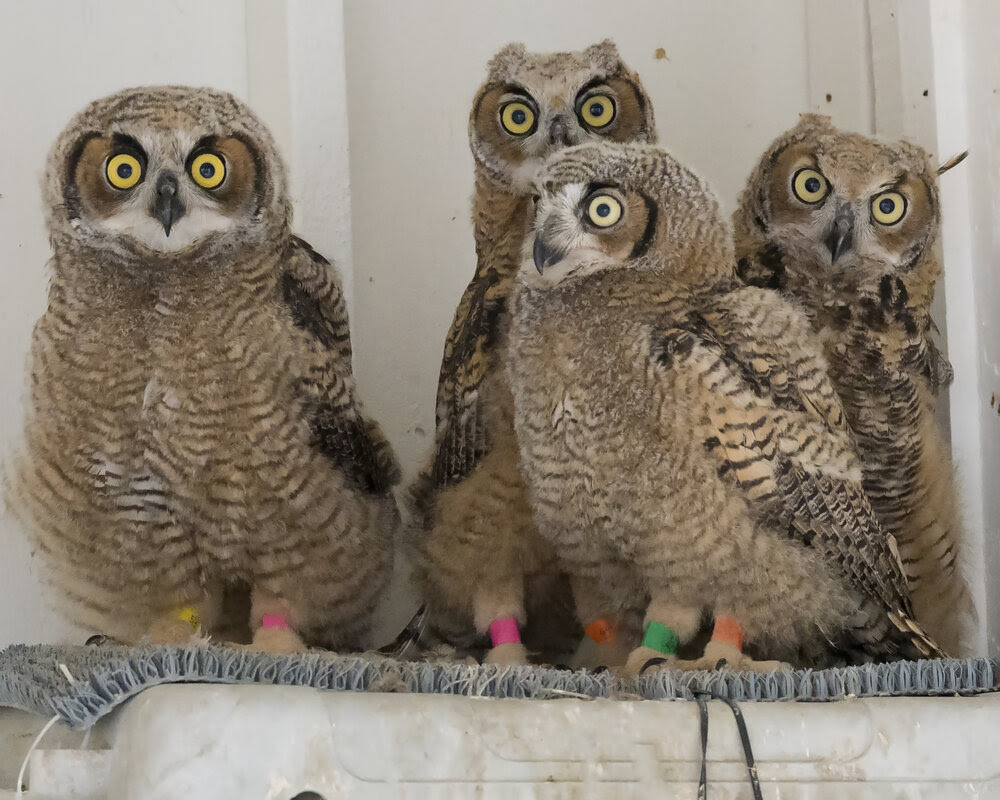
The California Ecosystems Protection Act of 2023 (AB 1322) needs your support! Please reach out to the representatives listed below and let them know you do not want toxic rodenticides to harm wildlife like owls, raptors, coyotes, mountain lions, foxes, and small mammals that are critical to the health of our ecosystem. Protect wildlife at Los Cerritos Wetlands and across the state of California by making your voice heard!

KEY FACTS
● The California Ecosystems Protection Act of 2023 would expand restrictions on toxic rat poisons and set a moratorium on a deadly first-generation anticoagulant rodenticide.
● The legislation would extend an existing moratorium on second-generation anticoagulant rodenticides.
● Widespread rodenticide use harms children, pets and wildlife.
● More than half of wildlife tested in California have been exposed to rodenticides. 


The bill is now before the Senate Appropriations Committee chaired by Senator Anthony Portantino, and that committee will decide whether to advance the bill on September 1st.  During this critical step in the process, many bills are “held,” and do not advance.
 
We would greatly appreciate your help urging Senator Portantino to advance the bill. Contact information for Senator Portantino is available here and an email template is listed below, which we encourage you to add your voice to.

COPY & PASTE EMAIL:

Dear Chair Portantino and Committee Members,

I strongly support the California Ecosystems Protection Act of 2023 (AB 1322) that protects California wildlife and communities against harmful rodenticides. 
 
Anticoagulant rodenticides are poisoning California wildlife and have been documented in at least 38 nontarget species, including the critically endangered San Joaquin kit fox and California condor. The problem is so severe that over 70% of wildlife tested in California are exposed to rodenticides. National Park Service researchers have documented the presence of anticoagulant rodenticides in 39 out of 40 mountain lions tested in the Santa Monica Mountains, which are already threatened with local extinction from habitat fragmentation and lack of wildlife connectivity. In September 2022, the four unborn kittens of a pregnant mountain lion named P-54 also tested positive for anticoagulant rodenticides.
 
AB 1322 is desperately needed to extend the existing moratorium on dangerous second generation anticoagulant rodenticides and strengthen future restrictions on anticoagulant rodenticides, including the first generation anticoagulant diphacinone, to better protect wildlife, children, and pets.
 
Please advance the bill past Senate Appropriations.
 
Thank you for your time and consideration.
 
Sincerely,
 
FIRST LAST


EMAIL ADDRESSES & CONTACT INFO:

Senator Portantino’s Contact Info

Other Chair Members & Staff:

Staff member for Anthony Portantino; Ashley Ames (Ashley.Ames@sen.ca.gov)
Senator Angelique V. Ashby (staff member; Cassidy.Denny@sen.ca.gov)
Senator Steven Bradford (staff member; Christopher.Morales@sen.ca.gov)
Senator Aisha Wahab (staff member; Zachariah.Oquenda@sen.ca.gov)
Senator Scott D. Wiener (staff member; Raayan.Mohtashemi@sen.ca.gov)

Thank you to Raptors are the Solution for spreading the word about this important issue.